The System of Motorcycle Control
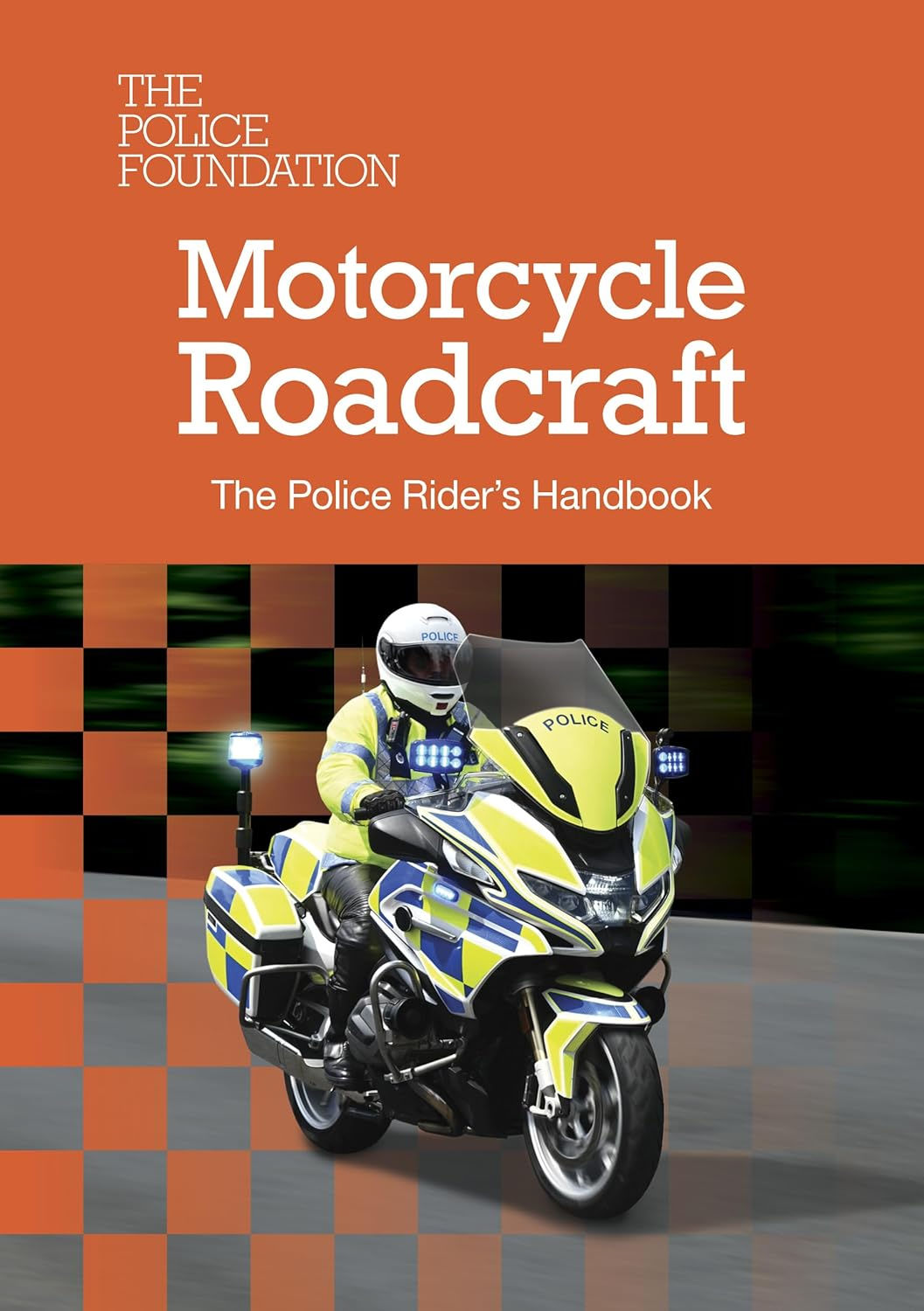
The System of Motorcycle Control, as defined in ‘Motorcycle Roadcraft’ (the Police Rider’s Handbook), is “a way of approaching and negotiating hazards that is methodical, safe and leaves nothing to chance.” It is the very core of Advanced Riding.
So, what is a hazard? A hazard is anything that is an actual or potential danger. It can be physical features like junctions, bends and road surface. It can be any other road users and their position on the road, or even weather conditions that can affect your ride.
The System gives you a method, a checklist of sorts, so you’re not just reacting to hazards, but managing them calmly and deliberately.
Enter the methodology – IPSGA.
Think of IPSGA as your mental checklist as you approach and negotiate a hazard; a bend, a junction, a slippery patch, a parked car about to pull out… you name it…
By applying IPSGA consistently, you build habits that keep you out of trouble.
IPSGA: Information > Position > Speed > Gear > Acceleration
Information
Before you do anything else, you observe. Roadcraft says information should be taken, used, and given all the time. That’s where our first friendly acronym comes in handy: TUG – Take, Use, Give.
Take information: Constantly update your plan with the information you collect. Scan to the front and sides, consistently use your mirrors, check your blind spots, use your other senses such as smell and hearing.
Use information: Make decisions. Do you need to move position? Slow down? Change gear?
Give information: Whenever other road users might benefit – show your intent with your position, speed with accurate signalling. This phase is active, not passive.
You’re scanning, you’re anticipating, you’re planning. One of Roadcraft’s key ideas is that information runs throughout all the other phases of the system. You don’t stop observing once you’ve started moving. In fact, often you’ll loop back to iInformation’ midway through a manoeuvre if something changes.
Position
Once you’ve got the information, choose your Position on the road. We always prioritise safety before anything else and sacrifice any other advantage in the interests of safety.
Position is dynamic, it’ll change depending on the hazard ahead, what’s behind you, how you want to come out of the hazard. This is where the System really shines: it encourages proactive thinking. Your position isn’t random, it’s strategic.
For example, on a left-hand bend, you might position to the offside of your lane, near the centre line to improve visibility through the corner.
On a right-hand bend, you might move nearside, to the left side of your lane to see further ahead.
And how do you check that you’re in the right position? Enter SSV – your new favourite acronym – Safety, Stability, View
Before choosing a position, ask yourself, in this order of priority:
Safety: Is this position safe for me and others?
Stability: Is the surface good? Is the machine stable?
View: Can I maintain an extended view?
Speed
Slow is smooth, smooth is fast. Once you’ve positioned yourself properly, it’s time to set the Speed. The correct speed is ‘the speed required to safely negotiate the hazard’.
Reduce speed if needed, using acceleration sense or brakes, ensuring you have enough stopping distance, and that you have the agility to react, if needed.
This isn’t about being slow, it’s about being right. The idea is that by the time you reach the hazard, your speed is already sorted. No last-minute grabbing at the brakes.
The golden rule: ‘Always be able to stop in the distance you can see to be clear on your side of the road’. If you’re riding into a blind corner too fast, you’re no longer in control, the bend is. A good rider rolls off early, sets a stable speed, and powers through without drama.
Gear
Now that your speed is right, pick the Gear that matches it. Having got your speed right, you now ensure you’re in the correct gear for the situation. The purpose is to be in a gear that has sufficient flexibility to allow for speeding up and slowing down. This ensures you have the right amount of power and control to deal with whatever happens next.
We rarely change gear and brake at the same time as it can unbalance the bike. Instead, braking happens first, then the gear change, then throttle. This ensures smoothness and stability.
Acceleration
Once you’ve negotiated the hazard or you’re passing through it. You apply appropriate acceleration to clear the hazard safely, re-establish speed, and continue with progress.
Acceleration must be smooth, controlled, and matched to the conditions: road surface, traffic, weather, your position, etc. The correct degree of acceleration will allow for safe, unobtrusive progress.
Putting it all together
Let’s take a real-life scenario and see IPSGA, TUG, SSV, and OAP in glorious action. You’re cruising along a country lane. Up ahead, there’s a right hand bend with high hedges.

Information (TUG):
Take info: mirrors, signs, road surface, hedge height, limit point to name a few…..
Use info: bend looks sharp and maybe damp.
Give info: position to nearside, maybe a touch of brake light for those behind.
Position (SSV):
Safety: clear of oncoming traffic.
Stability: dry surface, upright.
View: move nearside to see further through the bend if safe to do so.
Meanwhile, your OAP skills meant you saw the muddy tractor tracks early, anticipated the slippery patch, and planned your line around it. You glide through like a pro.
Speed:
Roll off smoothly, gentle brake, no panic.
Gear:
Downshift to second for control and drive.
Acceleration:
Manage the hazard with an open throttle and accelerate as the limit point moves away.
The system is freedom, not rules
At first glance, the System of Motorcycle Control can sound like a school lesson – full of acronyms and structure. But once it clicks, it’s liberating. It gives you a repeatable process to make sense of chaos, a mental rhythm that keeps you safe and smooth. It’s not about riding slowly or robotically – it’s about riding deliberately. So next time you ride, remember:
- OAP keeps your eyes and brain ahead of the bike.
- TUG keeps your awareness alive and communication flowing.
- SSV helps you pick the perfect road position.
- And IPSGA ties it all together like a perfectly tuned engine.
The result?
You glide through traffic, corners, and chaos with calm confidence – all while looking cooler than anyone else on the road.
And that, dear rider, is the true magic of Roadcraft.
Thank you to our supporters
The following organisations support EKAM through donation, sponsoring or advertising. Please have a look at what they offer.


